
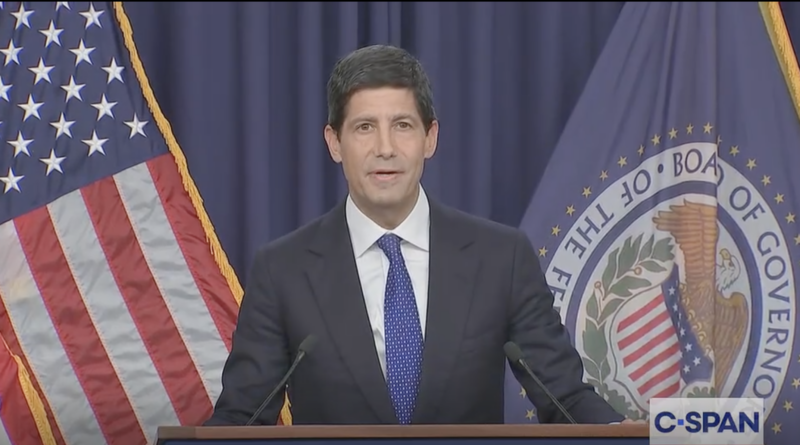
The Fed just raised rates for the first time since 2023. What might that mean for consumers?
How concerned should American consumers be when the Federal Reserve Board votes to raise its benchmark interest rate?
Financial analysts agree that Wednesday’s unanimous decision by the central bank’s FOMC (Federal Open Market Committee) to raise rates by 0.25 points-the first rate increase since 2023-will have an impact on borrowing costs.
Moreover, with further rate hikes on the table in hopes of the Fed fulling its mandate to bring inflation down to 2% (current rate is 3.4%)- how much will the latest rate adjustment impact consumers’ ability to take out loans for critical purchases such as cars, homes and institutions of higher education?
How might rate increases affect stock prices at a time when the 10-year Treasury note-often considered the key market indicator assessing the health of both bond and equity markets-is hovering at or around a yield of 5%?
The only interest rate that the Fed directly controls is its federal funds rate, which with the latest adjustment is now at 3.75%-4%.
But financial institutions generally respond to Fed rate increases by increasing the rates that they charge consumers.
President Donald Trump blasted the FOMC for the rate hike. However, Trump did not criticize Fed Chair Kevin Warsh.
Warsh has been chair for just under four months. Warsh previously served as a fed board governor from 2006-11.
Stocks tumbled after the Fed’s announcement, with the Dow Jones Industrial Average (DJIA) closing down more than 600 points.
The Fed’s rate increase comes about six weeks before the midterm elections.
It is considered unlikely that voters will feel the pinch by that time.
The stock market is still near record highs.
The unemployment rate is at 4.1%, which is slightly higher than when the Fed last raised interest rates.
Where is the economy headed?
“This move (fed rate increase), together with expected additional increases going forward (with a probable additional increase before the end of the year) will have a contractionary impact on the economy with slower monetary growth and higher borrowing costs for both consumers and businesses, as well government borrowing,” George Georgiou, a professor of economics at Towson University, told Baltimore Post-Examiner on Thursday.
“Consumers will be impacted greatly as they are facing both higher prices (inflation) for purchases across the board, but also now face higher interest rates for financing housing, auto, education, and other forms of borrowing.”
Arabinda Basistha, a professor of economics at West Virginia University, said borrowing costs may not increase as much as some analysts have predicted.
“The policy rate increases usually translate to higher borrowing costs for the consumers. This is supposed to moderate the demand for loans to buy products and reduce the economic pressures for inflation. However, it should be noted that the increase yesterday was small and the projections show the possibility of just another similar hike. Taken together, the overall rise in borrowing costs is not likely to be large.”
Boragan Aruoba, a professor of economics at the University of Maryland, echoed similar sentiments.
“New loans in the near future will be surely more expensive than new loans, say, 6 months ago. But since the market has already anticipated much of this increase, I wouldn’t expect a big jump in the rates simply due to the increase yesterday.However, the meeting also made it clear that more increases are now on the way. This anticipation can lead to further increases.”
How much did developments in the bond market influence the Fed’s decision?
“The Fed’s decision was indirectly influenced by developments in the bond market with the government’s cost of borrowing money to finance a $40 trillion public debt and an ever-expanding budget deficit increasing,” Georgiou said.
“Obviously, the war in Iran and the increasing cost of energy across the board with no end in sight, is not helping with the war against inflation or the effort to correct the worsening state of the nation’s public finances.”
Basistha largely agreed.
“It is very likely that the Fed paid close attention to the developments in the bond market. However, the extent to which those changes in the bond market itself drove the decision to raise the rate is hard to say. The bond markets most likely worked as validation of some of the patterns already in the economic data and provided additional signals on those patterns.”
Aruoba disagreed.
“I don’t think what’s going on in the bond market reflects a major market instability that the Fed would (perhaps) care about.”
Where are equity markets headed?
“The effect on the private equity markets is likely to be negative as investors are on the horns of a dilemma in having to choose between darkening clouds in the real economy and the decreasing real rate of return from lending money to the public sector which appears to be in less in control of its finances,” Georgiou said.
“This is coupled with inconsistent trade policies which undermines our economic relationships with trade partners and causes concern to international investors who provide significant financing for U.S. economic growth and public finances. Yes, this points to both higher bond rates going forward as well as further pressure on an already weakening U.S. dollar.”
Basistha said high bond yields might be temporary.
“The stock returns and bond yields usually have a negative relation in the long run. However, if the Fed succeeds in bringing down the inflation, the bond yields should come down as well. The high bond yields may not become a longer-term feature.”
Aruoba agreed.
“The usual behavior is when rates go up stocks go down. So, I expect some downward pressure on stocks. But they’ve also been up this year due to AI and other tailwinds. So, I am not sure if there will be a major correction.”
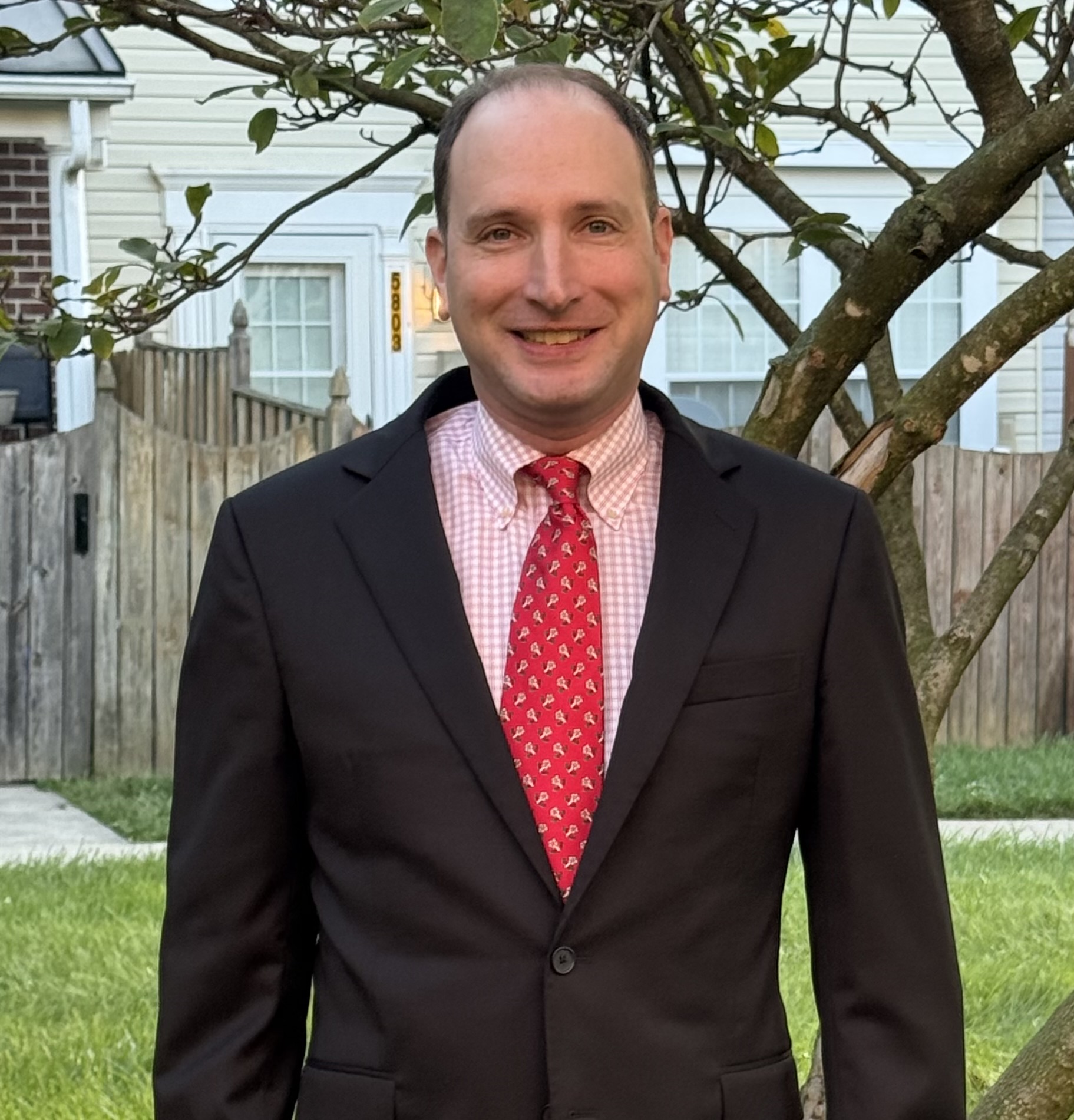
Bryan is the managing editor of Baltimore Post-Examiner.
He is an award-winning political journalist who has extensive experience covering Congress and Maryland state government. His work includes coverage of the first election of President Donald Trump, the confirmation hearings of Supreme Court Justice Brett Kavanaugh and attorneys general William Barr and Jeff Sessions, the Maryland General Assembly, Gov. Larry Hogan, and the COVID-19 pandemic.
Bryan has broken stories involving athletic and sexual assault scandals with the Baltimore Post-Examiner.
His original UMBC investigation gained international attention, was featured in People Magazine and he was interviewed by ABC’s “Good Morning America” and local radio stations. Bryan broke subsequent stories documenting UMBC’s omission of a sexual assault on their daily crime log and a federal investigation related to the university’s handling of an alleged sexual assault.